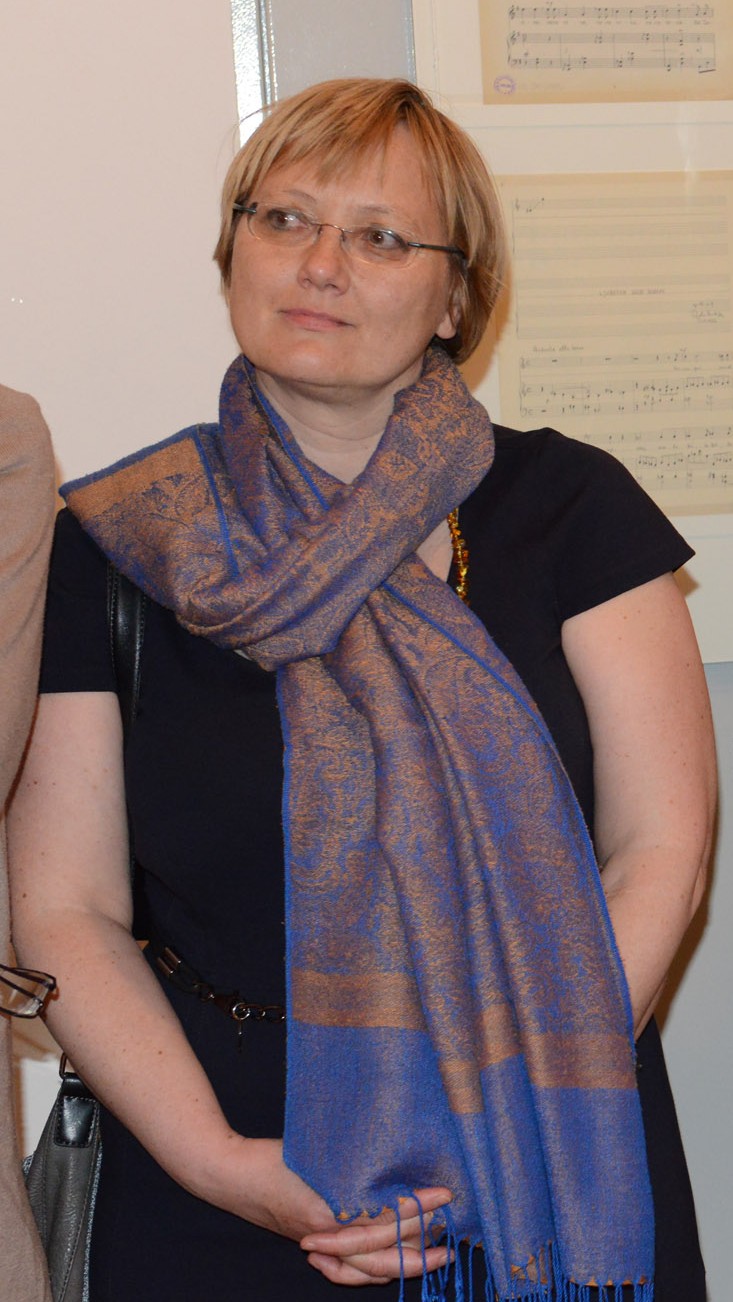
Veronika Brvar
Head of Programme at the Ljubljana Festival
President of Glasbena matica Ljubljana
Director of Vera Cultura

Susanna Bucher
Vice-President of REMA
Head of Orchestras Theresia & EUBO at Fondazione ICONS

Dr. Zoltán Csaba Thuróczy
director of the Liszt Institute – Hungarian Cultural Center in Ljubljana
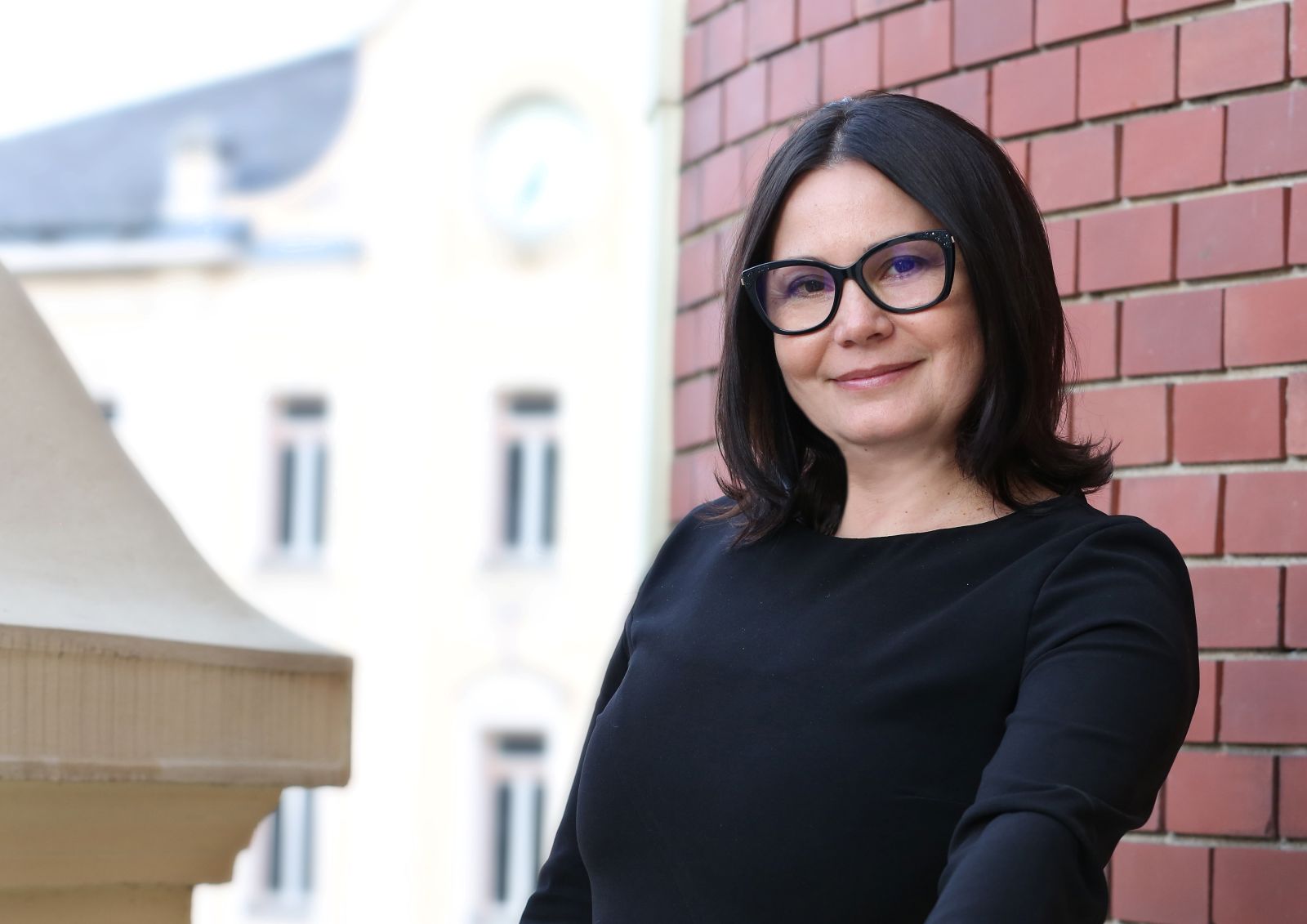
Maja Voglar, MSc
Director of the Institute for Cultural Events and Tourism Celeia Celje
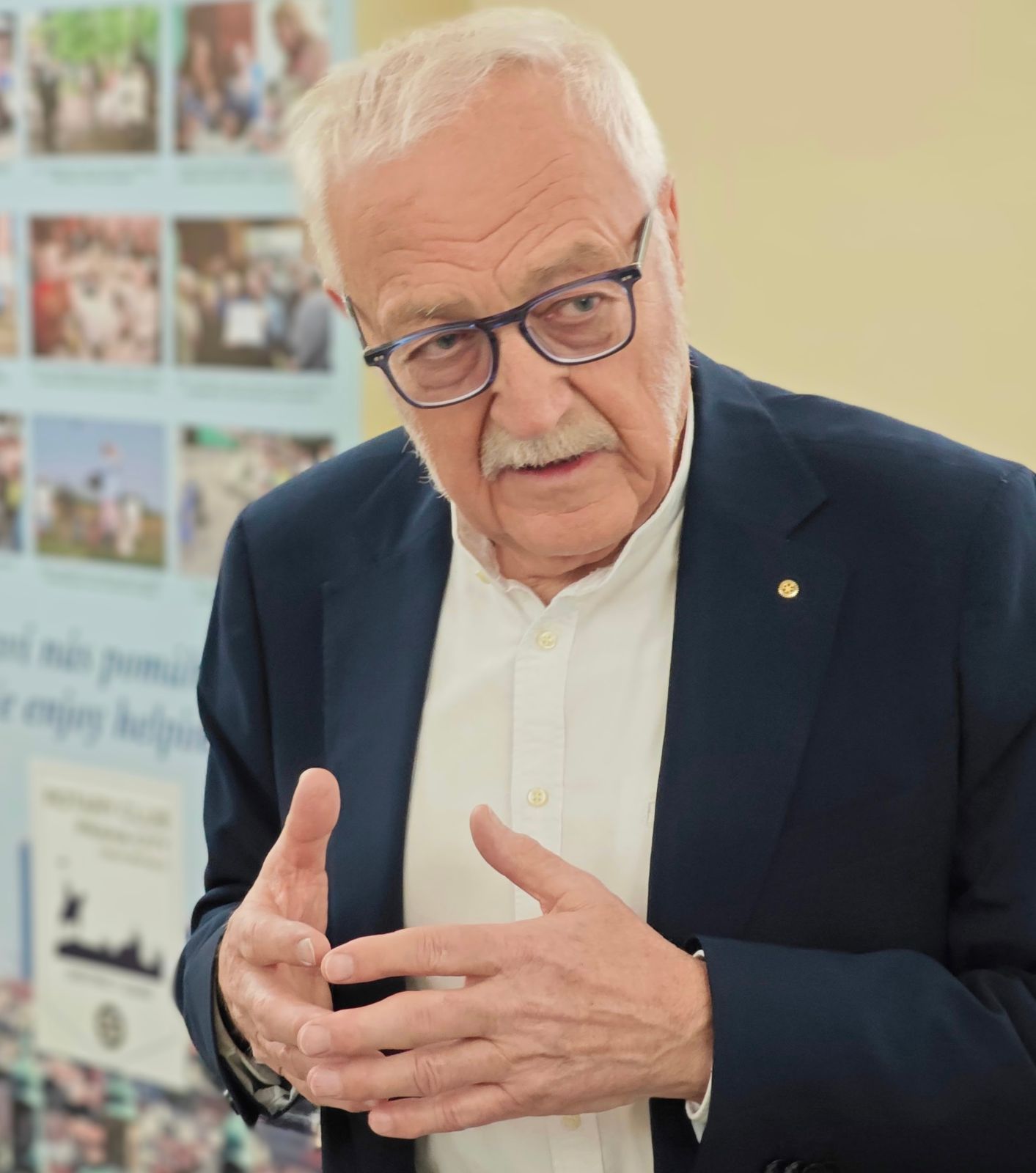
Zvone Žagar
Founder and director of EZŽ komunikacijski izdelki d.o.o.
Rotary Club Ljubljana-Center
Project Leader of the Young Talents Project

Ticket order:
Free entry&a
The symposium is dedicated to reflection on the role of early music in the contemporary European context and on the importance of culture for Europe’s future development. It brings together research-based, artistic, pedagogical, production-related and development perspectives and encourages discussion on international cooperation, organisational models, cultural diplomacy and the interconnection between culture, tourism and sustainable development.
The symposium will be moderated by Veronika Brvar.
Papers
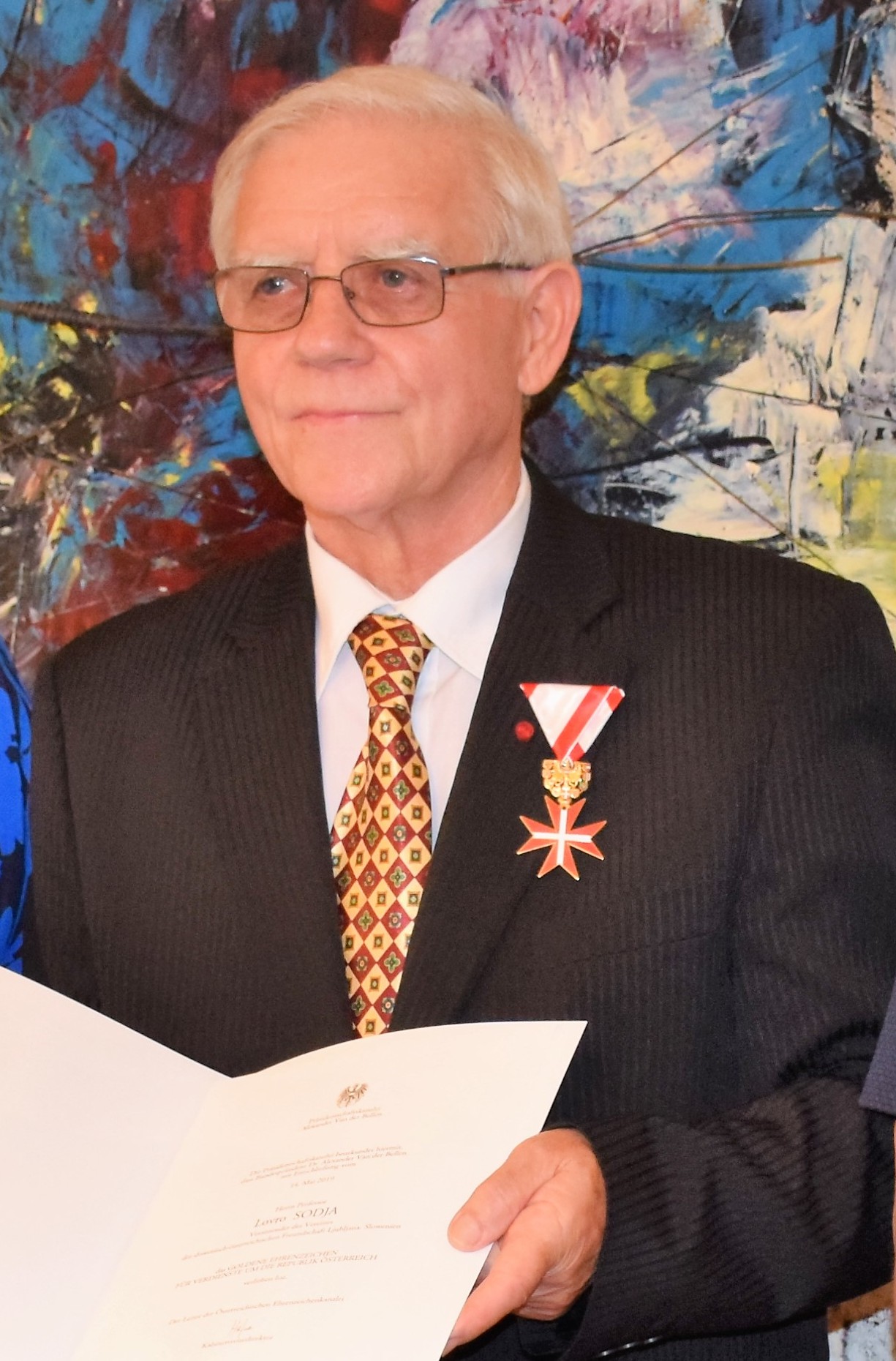
15:00 prof. Lovro Sodja
15:30 Susanna Bucher
16:00 dr. Zoltán Csaba Thuróczy
16:30 Mag. Maja Voglar
17:00 Zvone Žagar
*******
15:00
prof. Lovro Sodja
Early Music – The Mother of Musical Creation
The paper discusses the significance of early music as a fundamental point of departure for European musical creation and its role in music pedagogy and cultural exchange. The author draws on several decades of personal experience as a music educator, flautist and organiser of musical activities. Particular emphasis is placed on the teaching of the recorder and the performance of early music in music schools, where young musicians became acquainted with the basic principles of music through the Baroque repertoire. The paper also highlights the development of music competitions and international cooperation, including the establishment of the Slovenian music competitions TEMSIG and the European Competition for Young Organists in Ljubljana. The author emphasises that music connects different nations and cultures and that early music remains an important source of musical knowledge, creativity and cultural dialogue in contemporary Europe.
15:30
Susanna Bucher
16:00
dr. Zoltán Csaba Thuróczy
The Network of Hungarian Cultural Centres in the Field of Early Music
The network of Liszt Institutes is a system of Hungarian cultural centres operating worldwide, whose mission is to present Hungarian culture, arts and language and to promote cultural diplomacy in various parts of the world. These institutes (formerly known as Balassi Institutes) are cultural centres linked to Hungarian diplomatic missions abroad. They organise exhibitions, concerts, film clubs, language courses and other programmes, fostering connections between local audiences and Hungarian communities. The network is currently present in more than 20 countries across Europe, Asia and the Americas, including Paris, Berlin, New York, Delhi and Tokyo. All these centres promote Hungarian cultural heritage and contemporary Hungarian art, while supporting the teaching of the Hungarian language and cultural dialogue.
Particular mention should be made of the Liszt Institute – Hungarian Cultural Center Ljubljana (Liszt Intézet Ljubljana), which has been operating in the Slovenian capital since 2016. The institute functions as the cultural centre of the Embassy of Hungary in Ljubljana and offers a rich programme to local audiences, including film clubs, literary evenings, concerts, exhibitions and Hungarian language courses. It also participates in regional cultural projects and fosters cooperation between Hungarian and Slovenian cultural professionals. The Ljubljana institute is especially active in organising cultural events and collaborates with local schools, visual arts programmes and music-educational courses, thereby strengthening cultural ties between the two countries.
16:30
Mag. Maja Voglar, MSc
Connected Culture: From Local Creativity to European Strength
Europe can only remain strong in the long term if it recognises culture and the arts as one of the key foundations of its development. In this context, public local institutions play an important role, as through their activities they provide stable support for creativity, the preservation of cultural heritage, and the accessibility of cultural content for all citizens. A particularly important place within this framework is occupied by amateur culture, which represents a fundamental building block of cultural life — both at the local level and within the wider national and international context. It is precisely through amateur creativity that a sense of belonging to the community is strengthened, knowledge is transmitted, and cultural diversity is preserved. An important step towards the further development of culture is also the strengthening of links with other sectors, particularly tourism and sport, as such cooperation creates new opportunities for the development of destinations, greater visibility of places, and a broader social impact of culture. In this context, the economic sector also plays an important role, as through patronage it can make a significant contribution to the sustainable development of culture and the arts.
17:00
Zvone Žagar
An Attempt to Revive Early Medieval Music
Within the Slovenian–Czech musical project Young Talents, the fifth concert will take place in Ljubljana on 7 May this year. It is organised by the Rotary Club Ljubljana Center in cooperation with the Rotary Club Praha City and involves students from the Academy of Music in Ljubljana and HAMU in Prague, Rotary Districts 1912 and 2240, RTV Slovenia and many other partners.
The lecture will present the extensive research that was necessary to collect enough historical fragments to reconstruct music that was most likely performed during the Merovingian and Carolingian periods. The concert will use exclusively authentic replicas of instruments (lyre, pan flute and hourglass drum) as well as legends from that period.
Music for the texts contributed by well-known Slovenian and Czech authors will be composed by composition students from both academies together with two established composers. Most of the works will include vocal accompaniment.
The lecture will also briefly present the history of the Young Talents project and its future plans. In 2027 the project will continue with the revival of Slovenian and Czech court and folk music of the High Middle Ages (900–1250), followed the next year by the Late Middle Ages (1250–1500). The 2029 concert will cover the period from 1500 to 1800, and the 2030 concert will focus on the era from Romanticism to the present day.
The main purpose of the Young Talents project is to support talented music students in their further professional development in cases where they would otherwise not be able to afford it themselves. This mission is realised through annual concerts held alternately in Ljubljana and Prague, drawing their programme from Slovenian and Czech musical heritage.