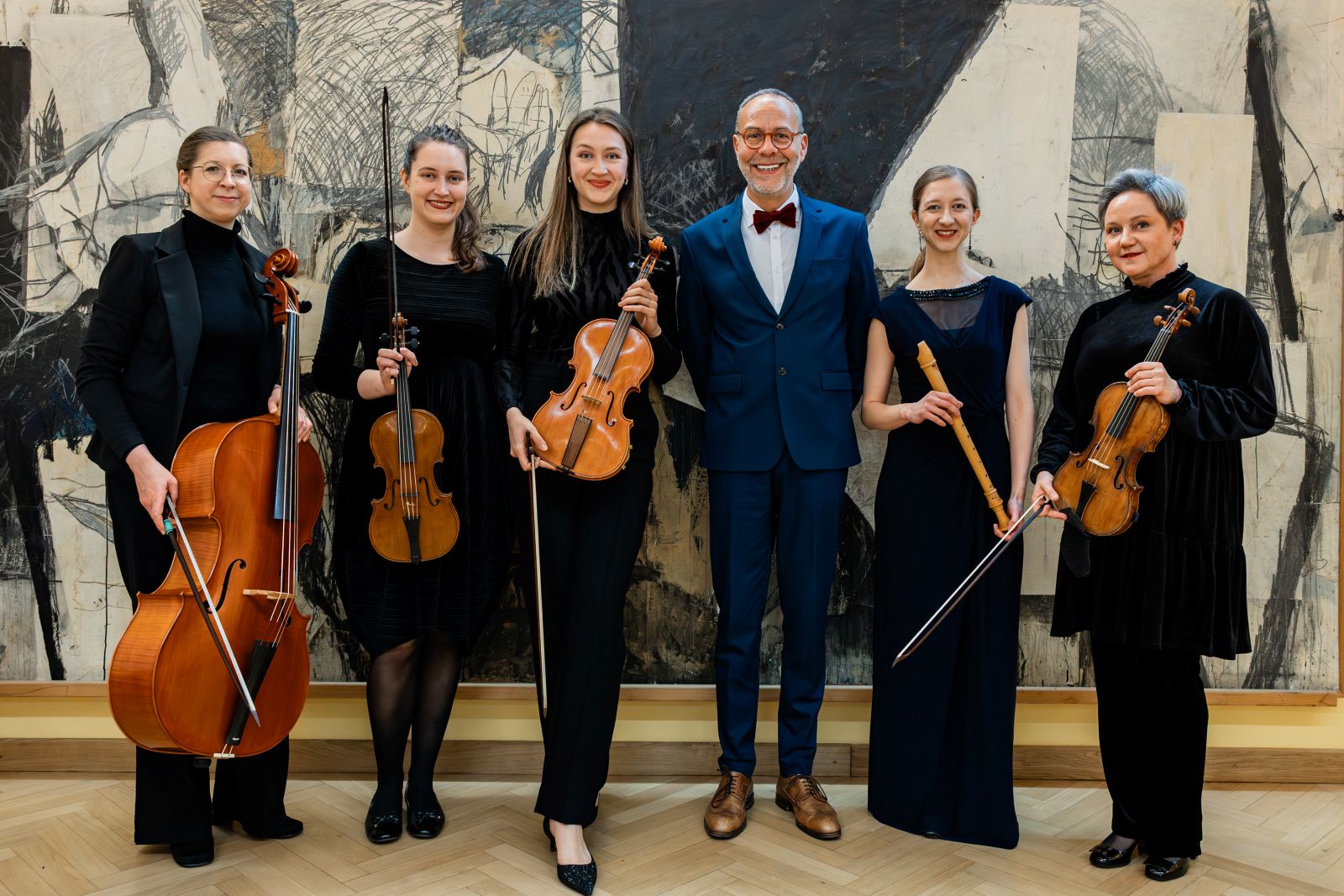
Harmonia Adriatica
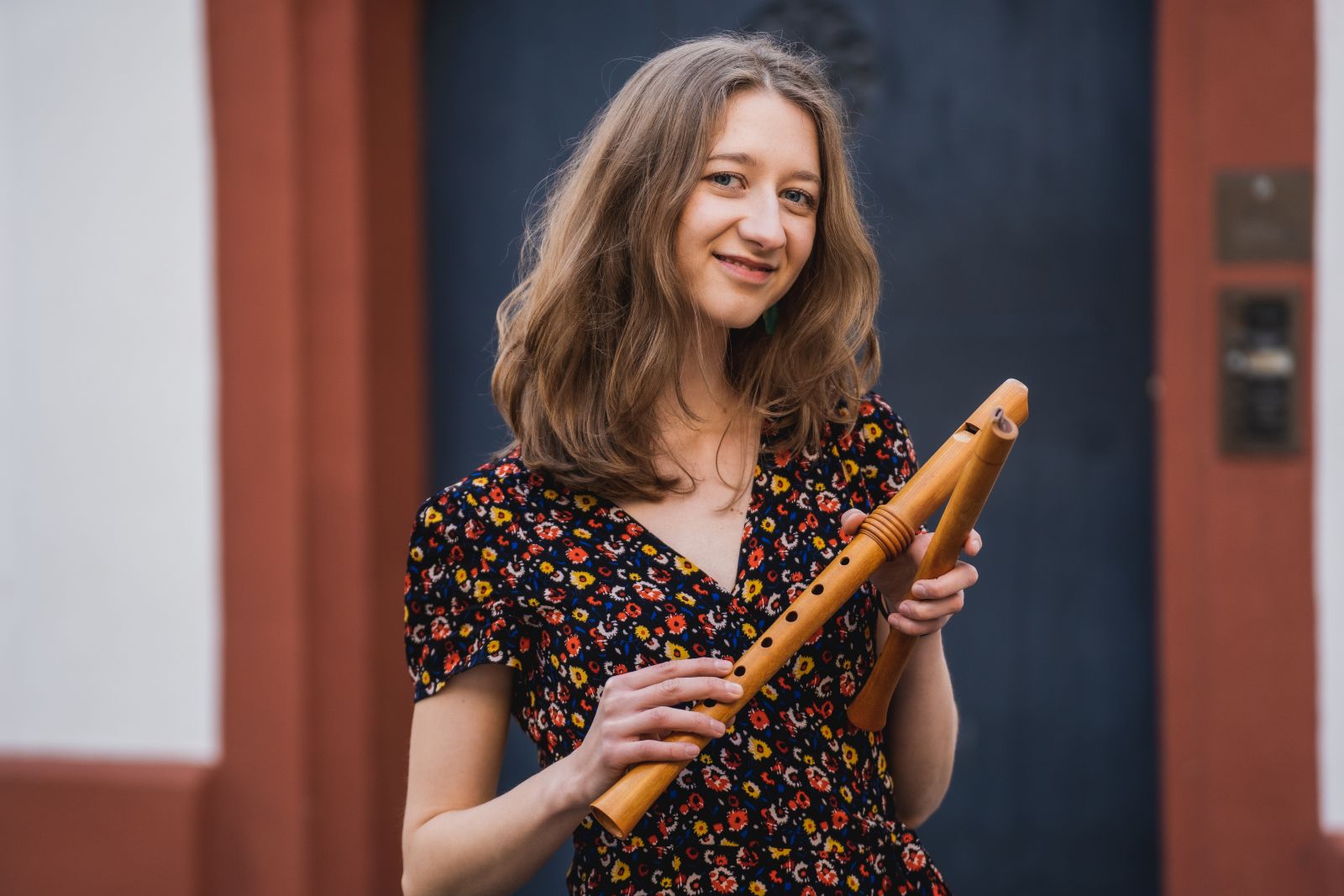
Maruša Brezavšček (SI): recorder
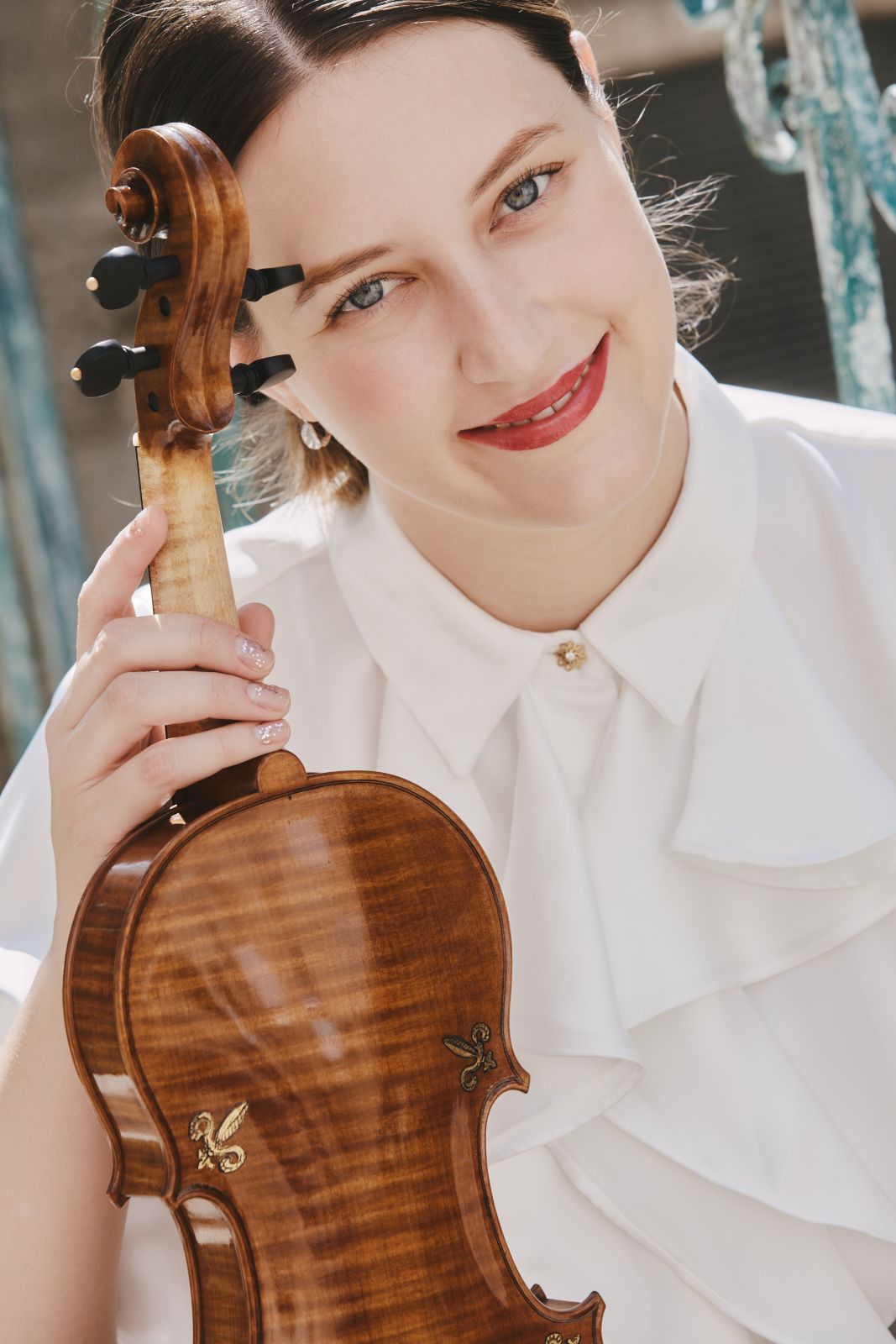
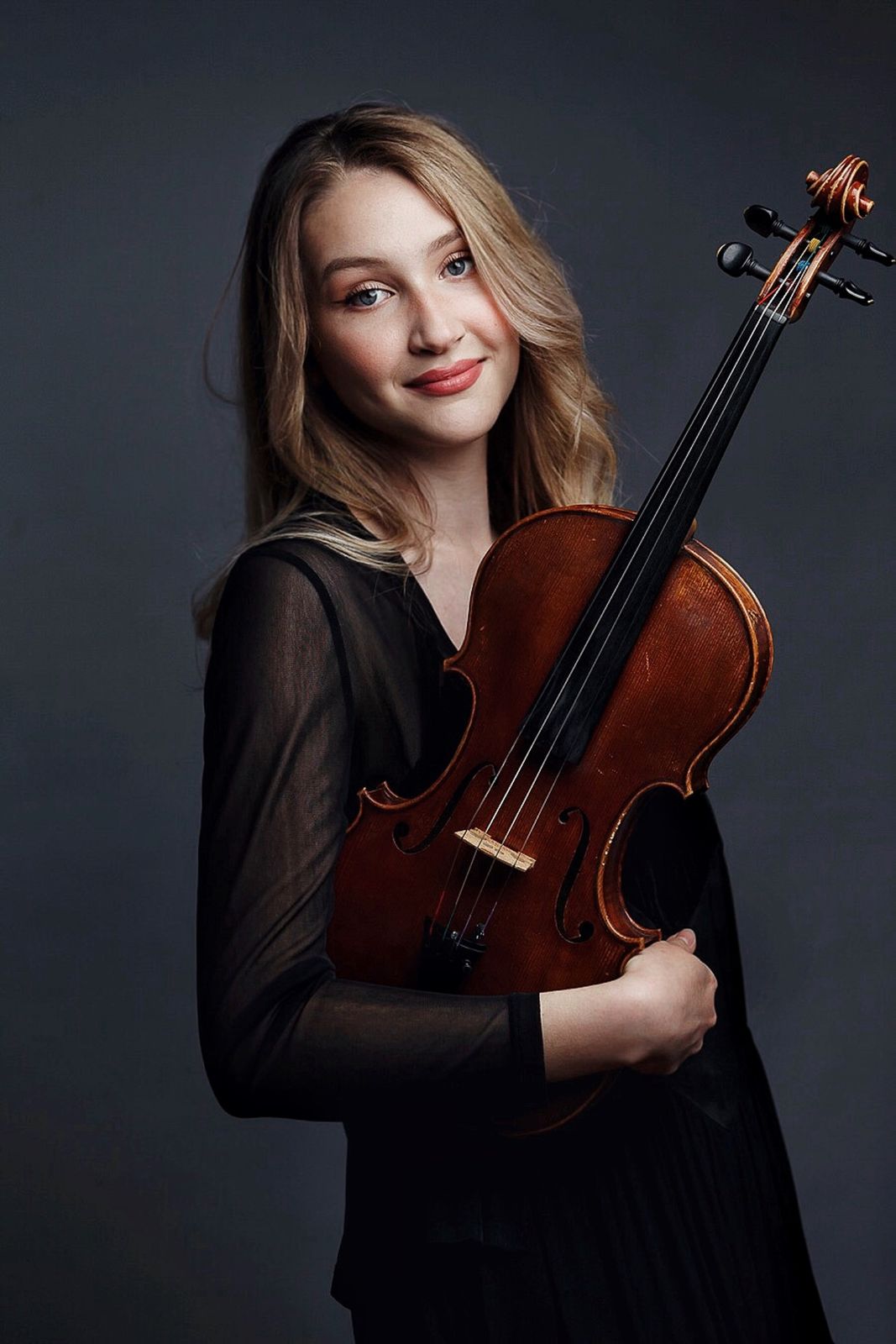
Laura Vadjon (HR): violin
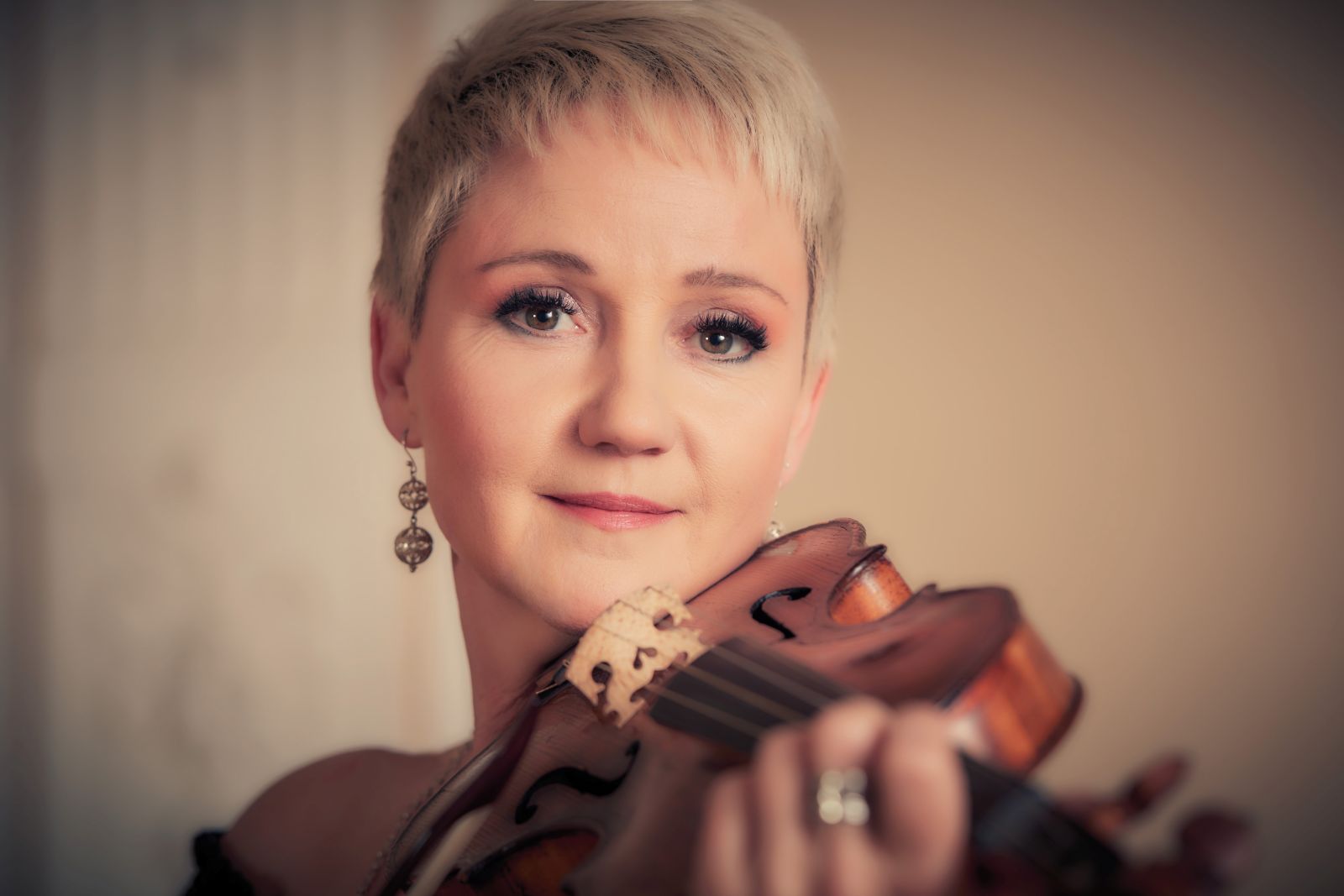
Helga Korbar (HR): violin
Dagmar Korbar (HR): viola
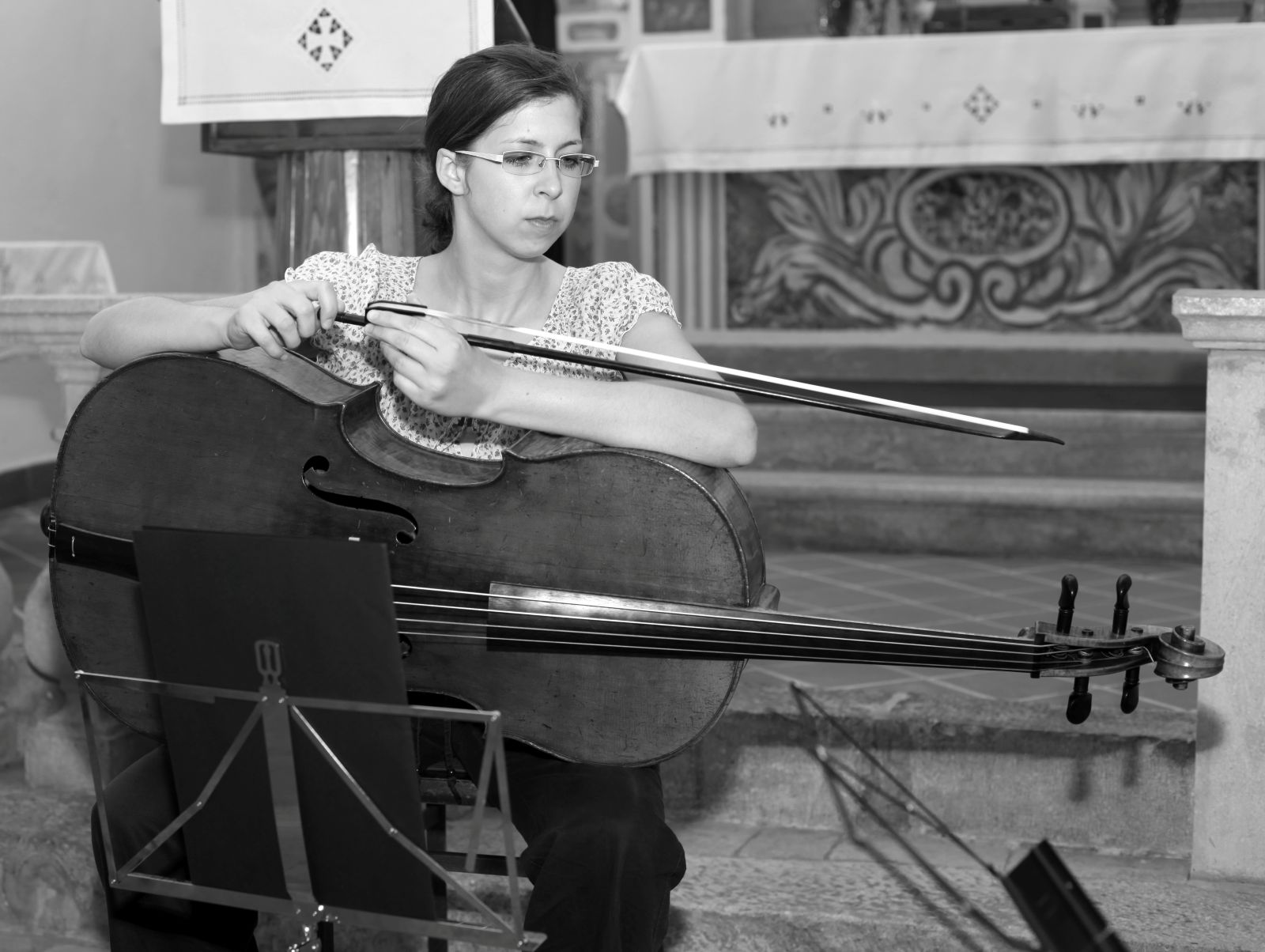
Kaja Kapus (SI): cello
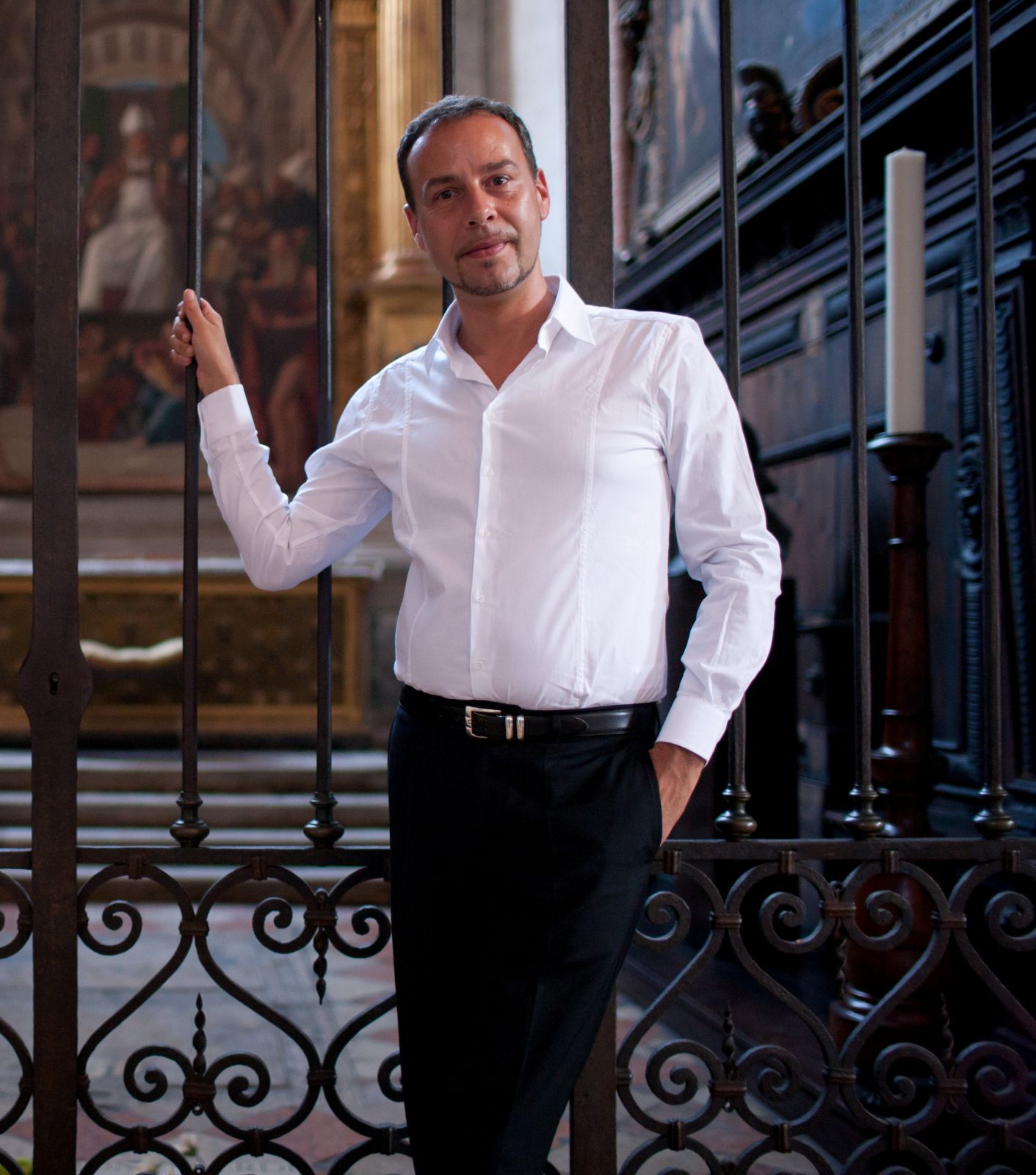
Egon Mihajlović (SI): harpsichord

Ticket order:
Event programme
In the Kingdom of Parthenope
(Neapolitan Baroque Concertos)
Concert for the Early Music Day
With the transfer of the Seviqc programme residency to Celje, new conditions have been established for the development and positioning of early music within the local and national context. We are thus further developing the programme for early music in Slovenia with a special concert on Early Music Day, which in Celje establishes a new conceptual and symbolic centre for this international occasion. At Ars Ramovš, the artistic concept of the programme was entrusted to the outstanding artist Maruša Brezavšček, whose choice of ensemble and repertoire consciously also follows the development-oriented approach of Seviqc Collegiumartis, aimed at connecting leading domestic and international performers specialising in early music.
From the sixteenth to the eighteenth century, when Naples was first under Spanish and later Austrian rule, the Kingdom of Naples flourished as one of Europe’s leading cultural and musical centres—no less important than Venice. It was precisely during this period that prominent humanists shaped the image of Naples as a “kingdom of music”, symbolised by the mythological siren Parthenope. After failing to entice Odysseus, she cast herself into the sea and was washed ashore at the place where Naples was later said to have arisen, becoming an emblem of the city’s musical identity. It was here that the recorder also experienced its golden age: renowned composers wrote more than a hundred works for the instrument, including concertos with string accompaniment and basso continuo, allowing the recorder to fully display its virtuoso and expressive potential. The programme brings together concertos for recorder and string ensemble by major Neapolitan composers—Alessandro Scarlatti, Francesco Mancini, Leonardo Leo and Nicola Fiorenza. With this event, we join the celebrations marking Bach’s birthday and thus conclude the Early Music Day within the Seviqc programme. Johann Sebastian Bach admired the Italian musical style, studied it closely, and arranged many such works himself. The Neapolitan Baroque concertos presented here remain largely unknown in Slovenia, having been performed only rarely—or not at all—in this context. Based on recent research into Neapolitan musical archives, the programme reveals works distinguished by their vivid musical rhetoric and rich affective palette—qualities that go beyond mere virtuosity and enable deep, direct communication with the audience. Historically informed interpretation plays a crucial role in this process, offering listeners not only the discovery of a valuable repertoire but also an authentic experience of the musical heritage of Baroque Naples.
Alessandro Scarlatti (1660-1725):
Concerto No. III
Allegro / Largo / Allegro / Largo / Allegro
(Six Concertos in Seven Parts, 1740)
Giovanni Battista Mele (1701-1752):
Sonata Decima Quinta
Andante / Allegro / Adagio / Allegro
(Concerti di flauto, violini, violetta, e basso di diversi autori, ca.1725)
Leonardo Leo (1694-1744):
Sonata
Adagio / Allegro tempo comodo
(Sächsische Landesbibliothek, Staats- und Universitätsbibliothek Dresden, Schrank No. II)
Domenico Natale Sarri (1679-1744):
Sonata Undecima
Largo / Allegro / Larghetto / Spiritoso
(Concerti di flauto violini violetta, e basso di diversi autori, ca.1725)
*******
Nicola Fiorenza (1700-1764):
Sinfonia a Flauto solo con il Basso Del Sig. Nicolò Fiorenza
Moderato / Allegro / Largo / Allegro
Francesco Durante (1684-1755):
Concerto II
Presto / Largo staccato / Canone. Amabile / Allegro / Miuetto. Allegro / Allegro assai / Finale
Francesco Mancini (1672-1737):
Concerto V
Allegro / Largo / Fuga / Larghetto / Allegro
(Concerti di flauto violini, violetta, e basso di diversi autori, ca.1725)
Celje, Narodni dom

The neo-renaissance building of the Narodni dom (literally the Nation's Home) lines a part of the Trg celjskih knezov (The Counts of Celje Square). It was built in 1895-1896 according to the plans of the Czech architect Vladimir Hrasky. During the time of the old Austria, the Celje National House was the cultural and social center of the citizens of Celje, and today it houses the premises of the Municipality of Celje and the Administrative Unit of Celje.