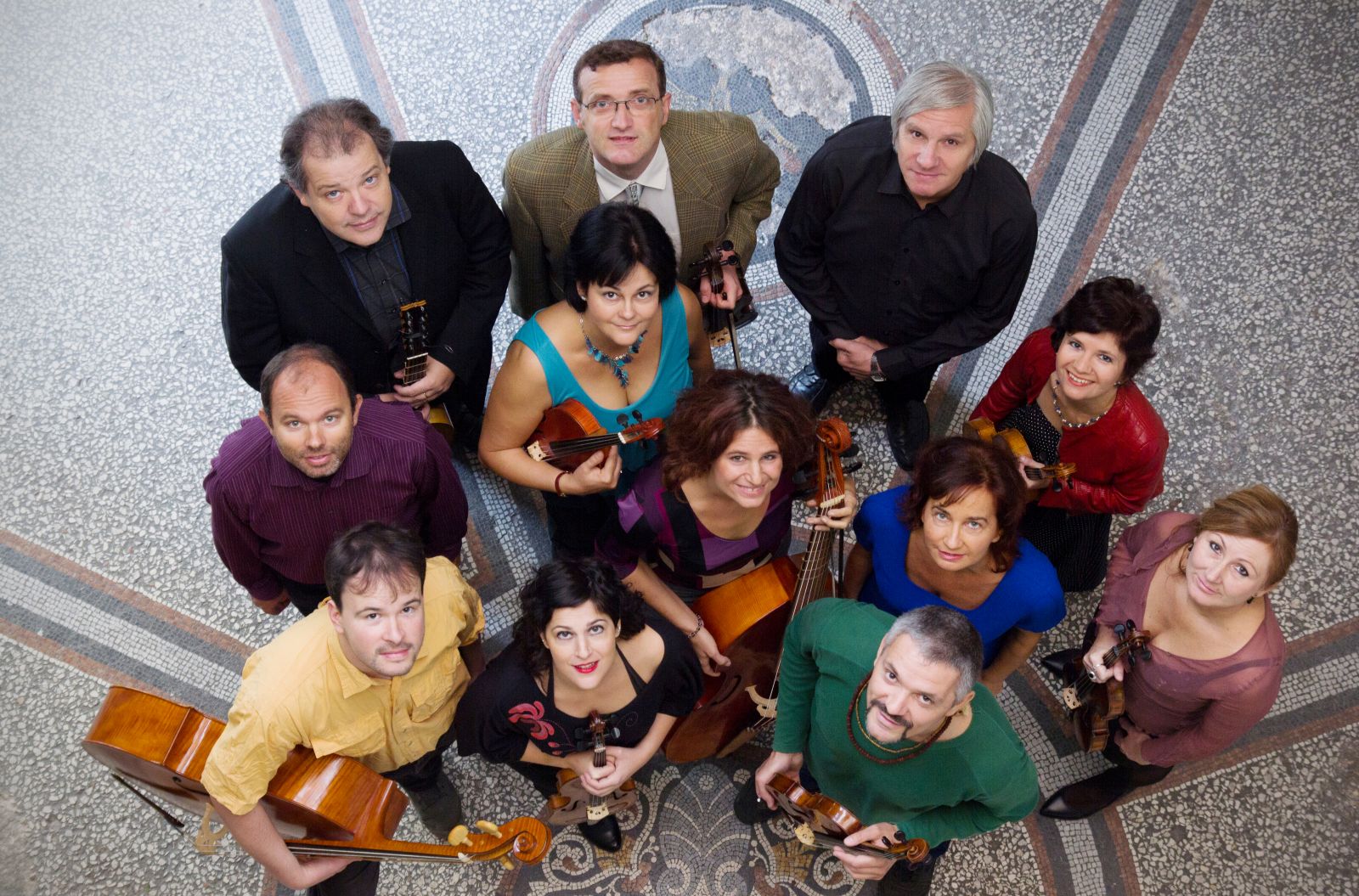
Savaria Baroque Orchestra (HU)
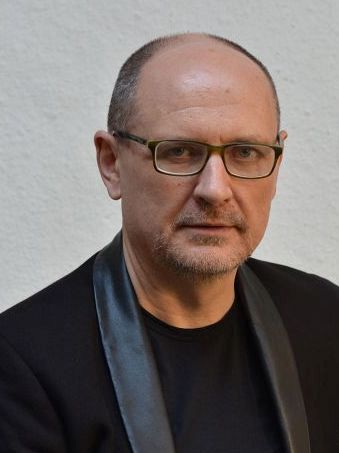
László Jekl (bass)
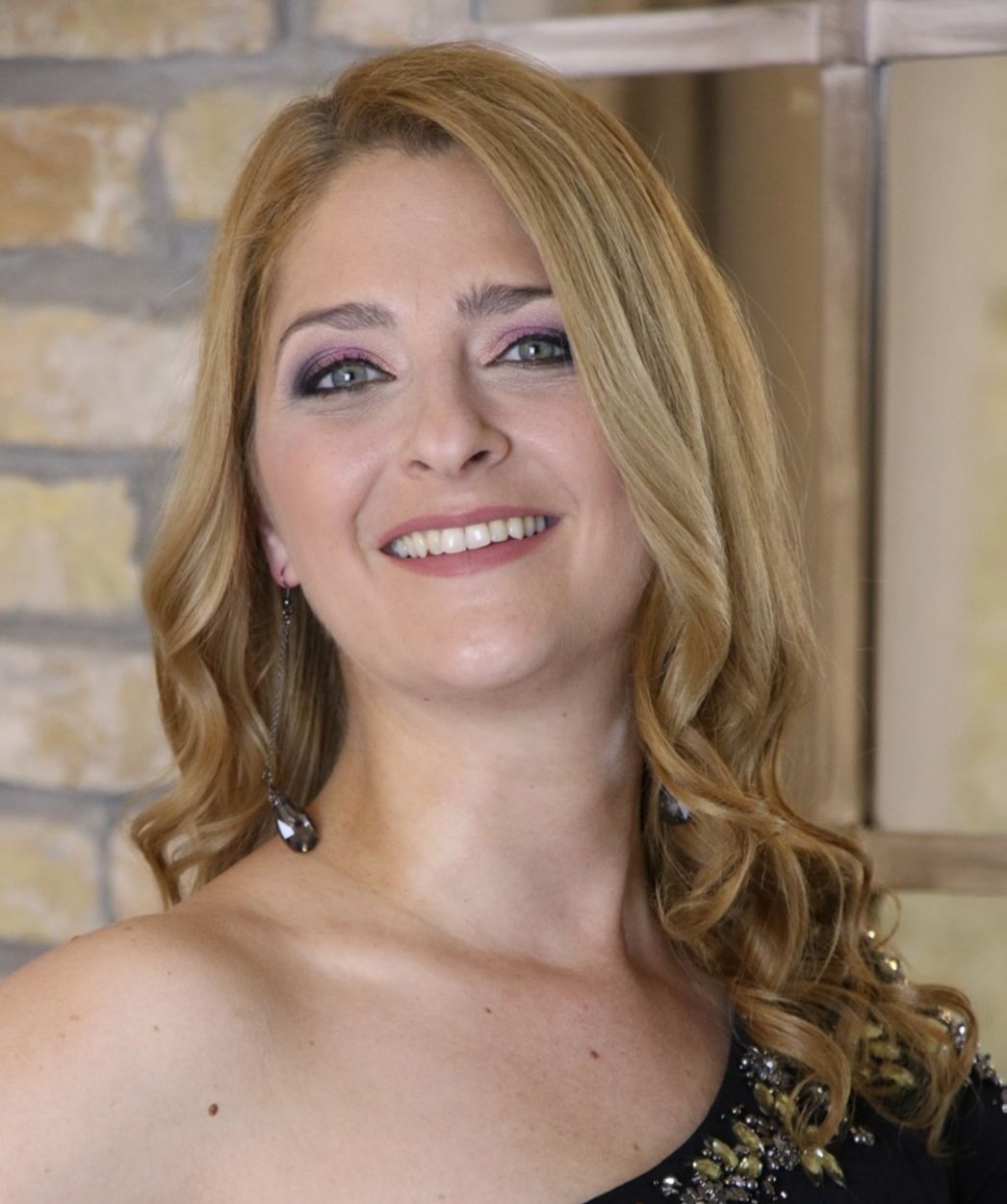
Nóra Ducza (soprano)
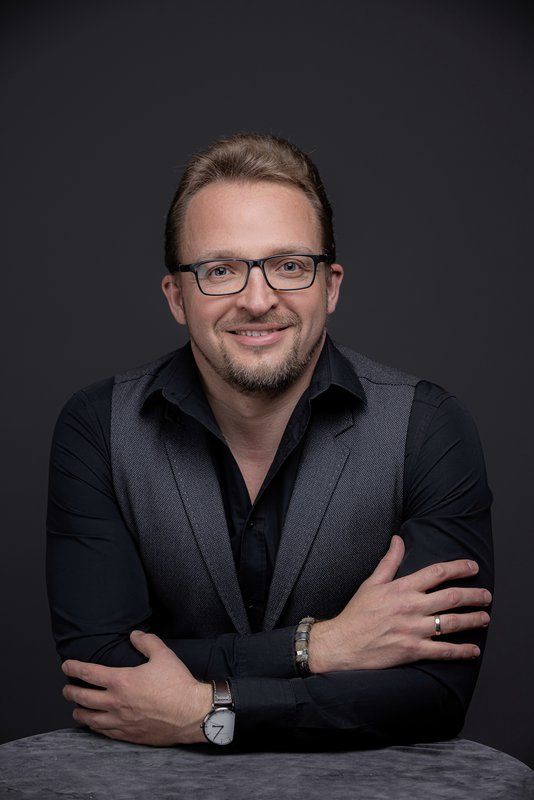
László Kéringer (tenor)
Máté Fülep (baritone)
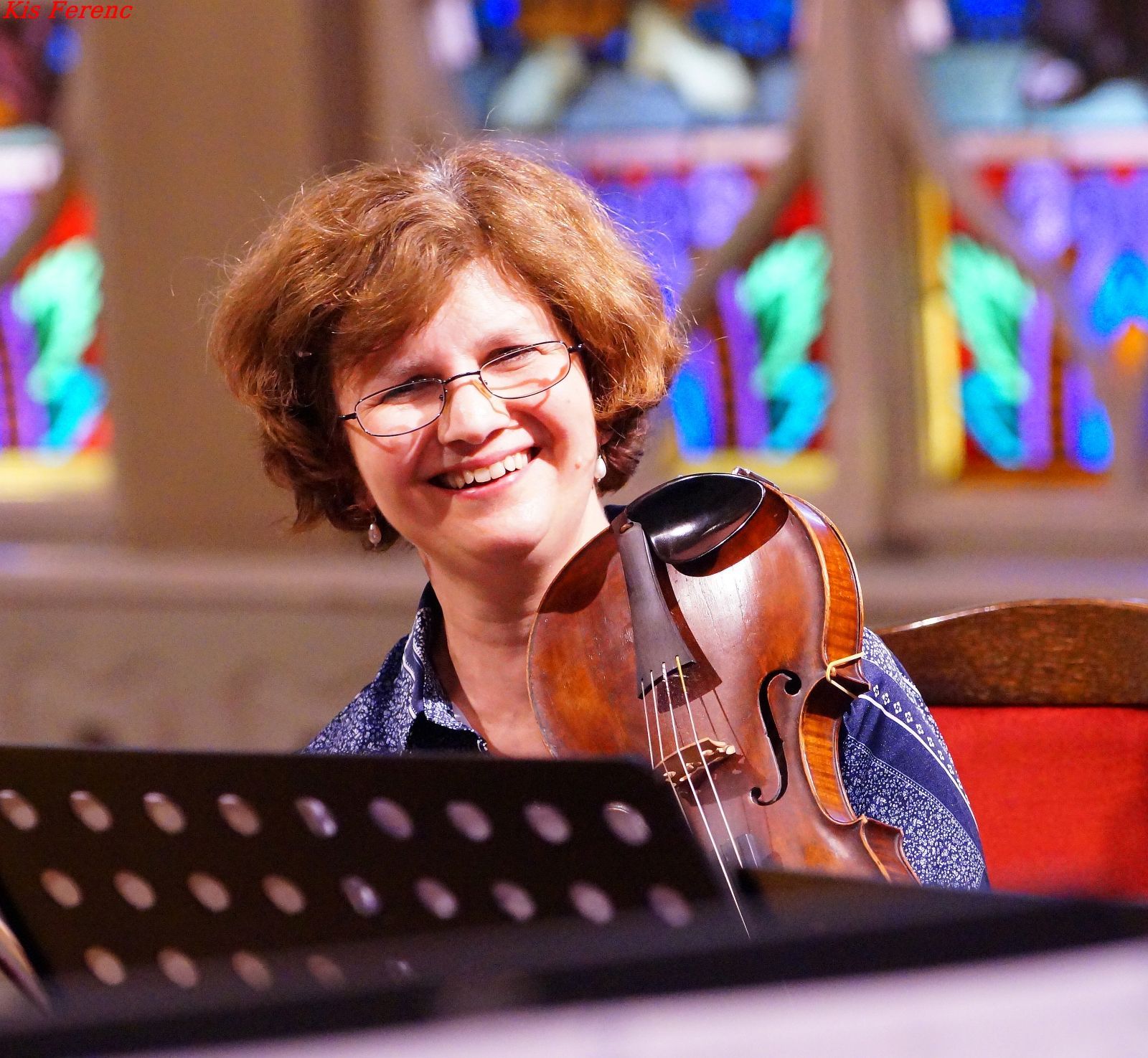
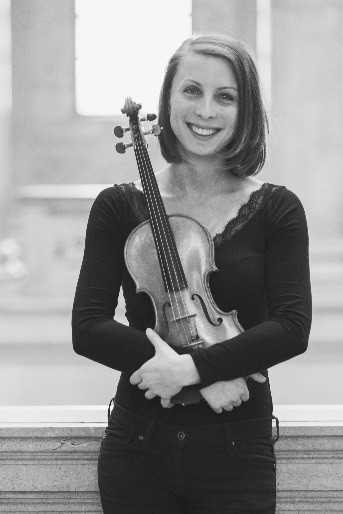
Piroska Vitárius (violin, concertmaster)
Róza Lachegyi (violin)
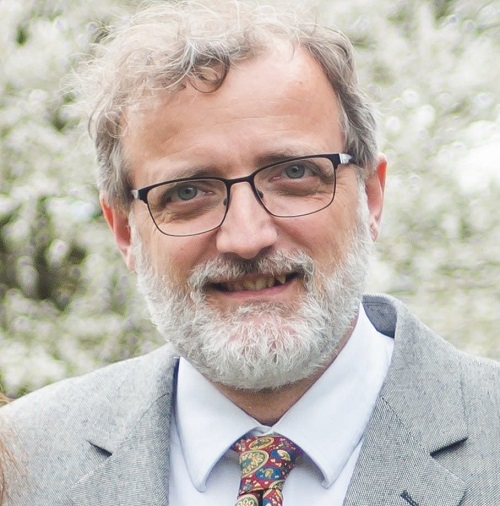
András Bolyki (viola)
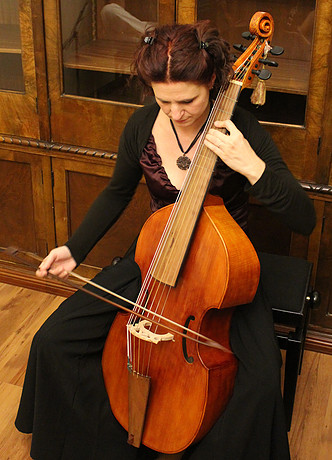
Nóra Kallai (viola da gamba)
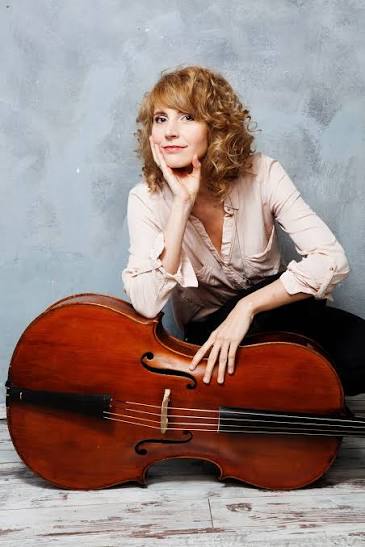
Ágnes Kállay (cello)
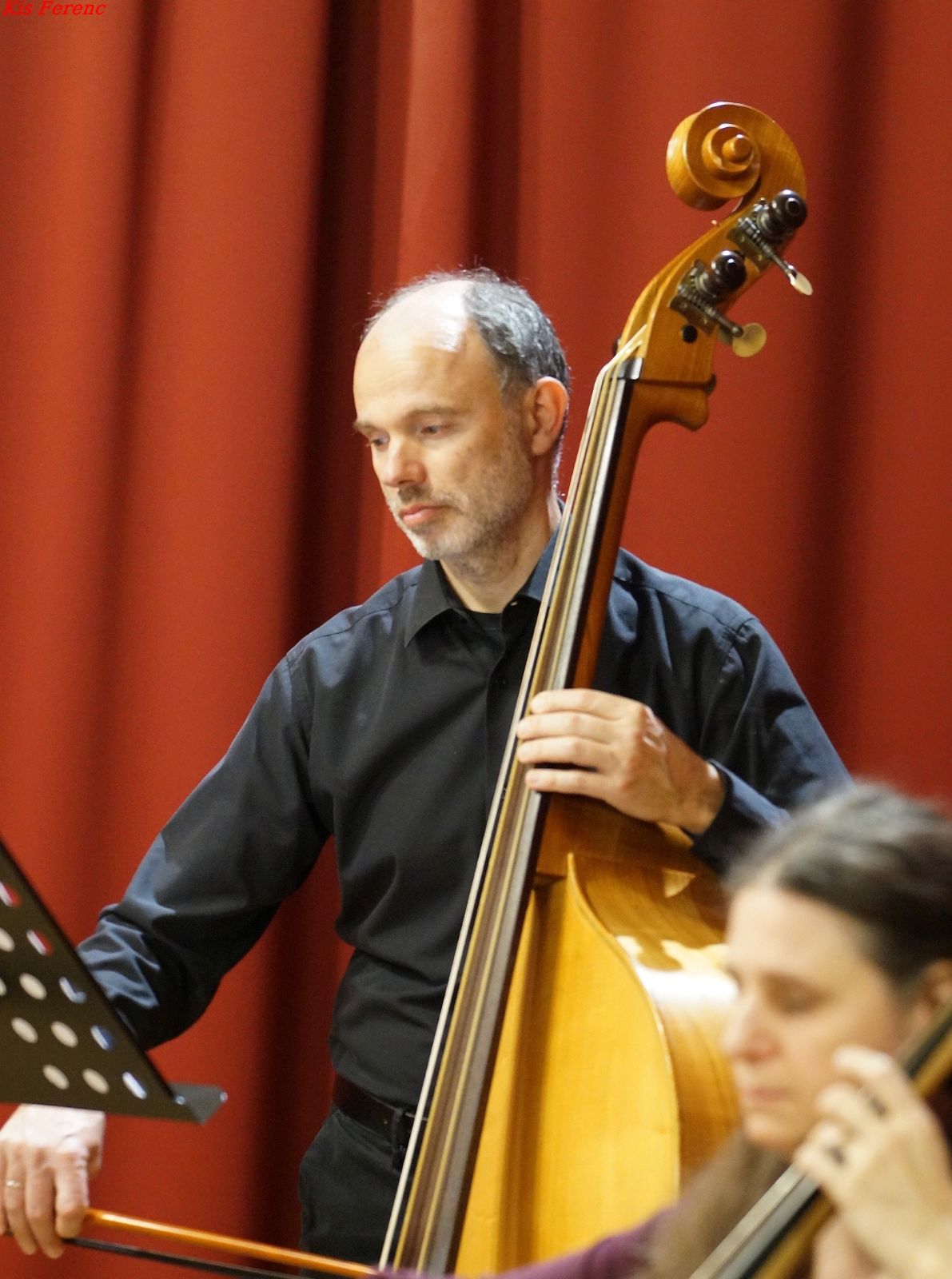
Dávid Hornyák (double bass)
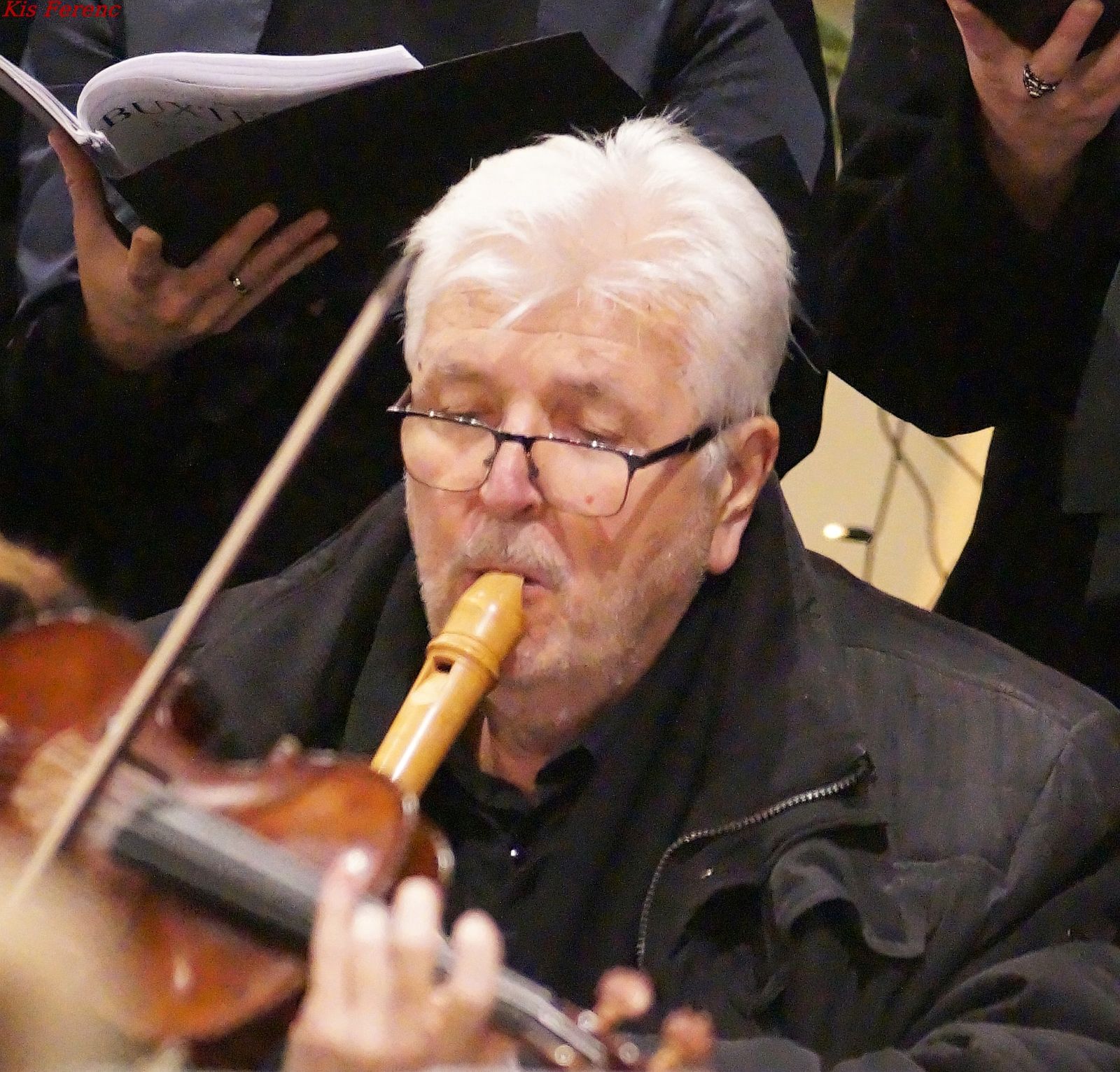
Gábor Kállay (recorder)
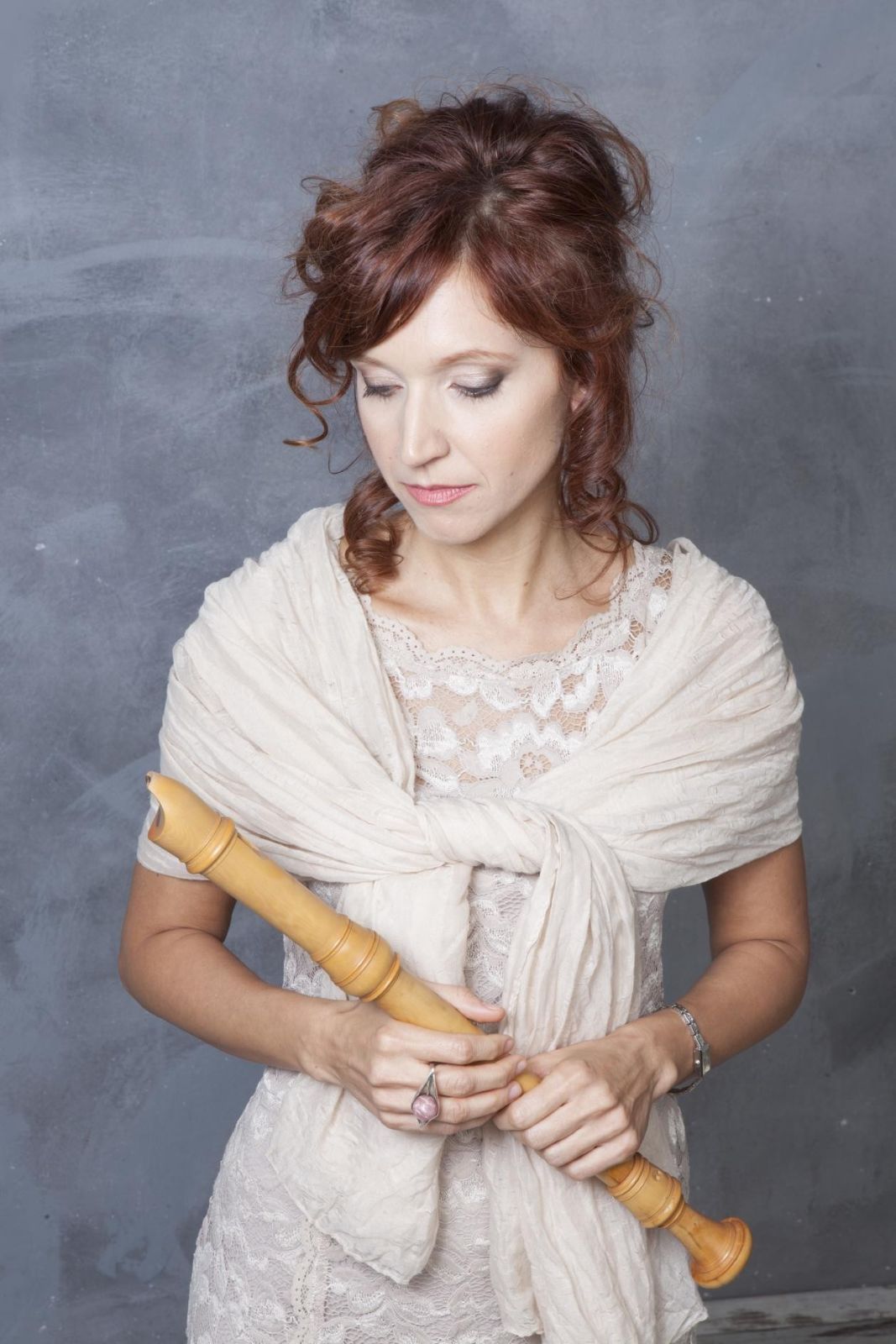
Katalin Kállay (recorder)
Ágnes Ratkó (harpsichord)
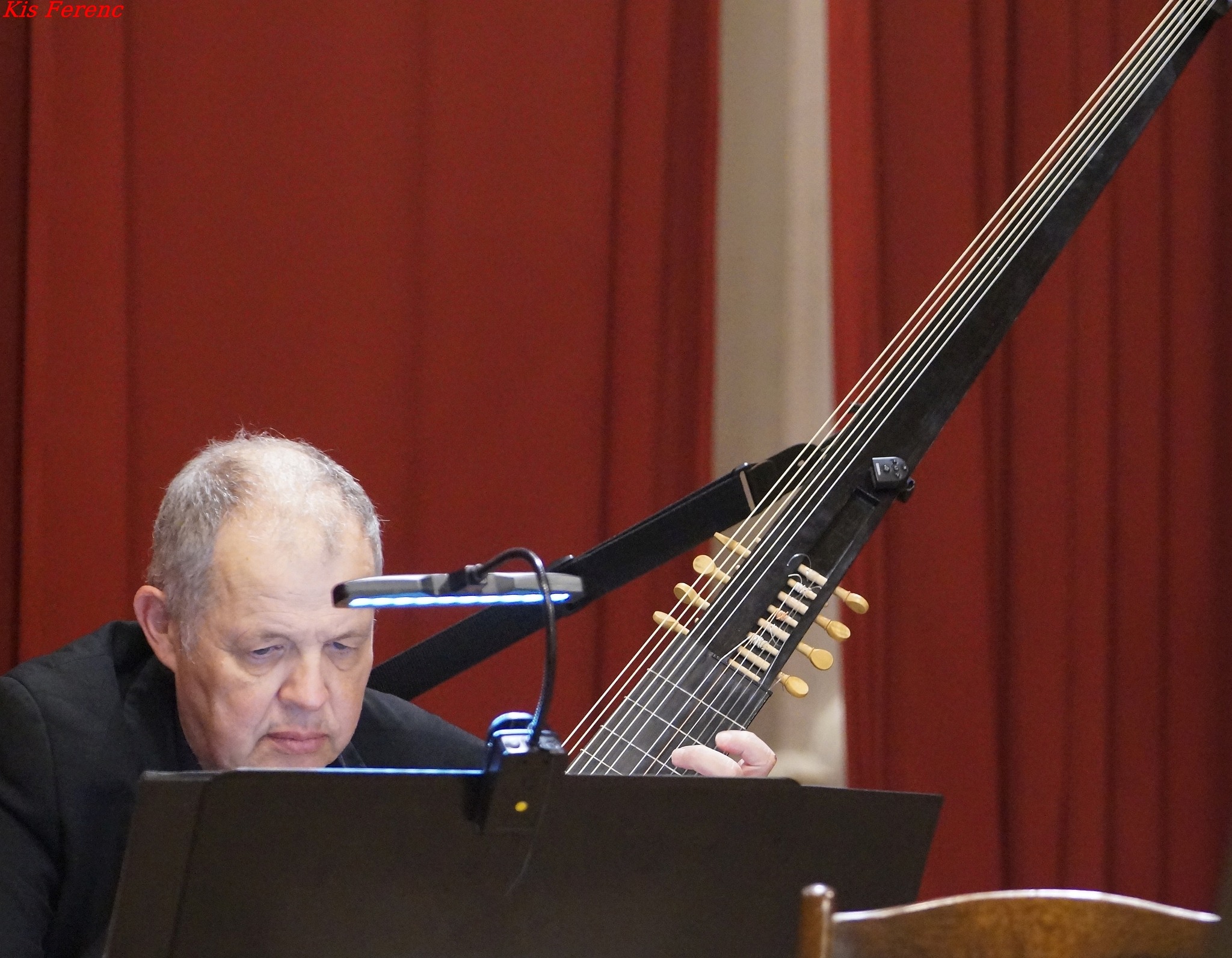
István Győri (lute)
Barnabás Bolyki (projection)
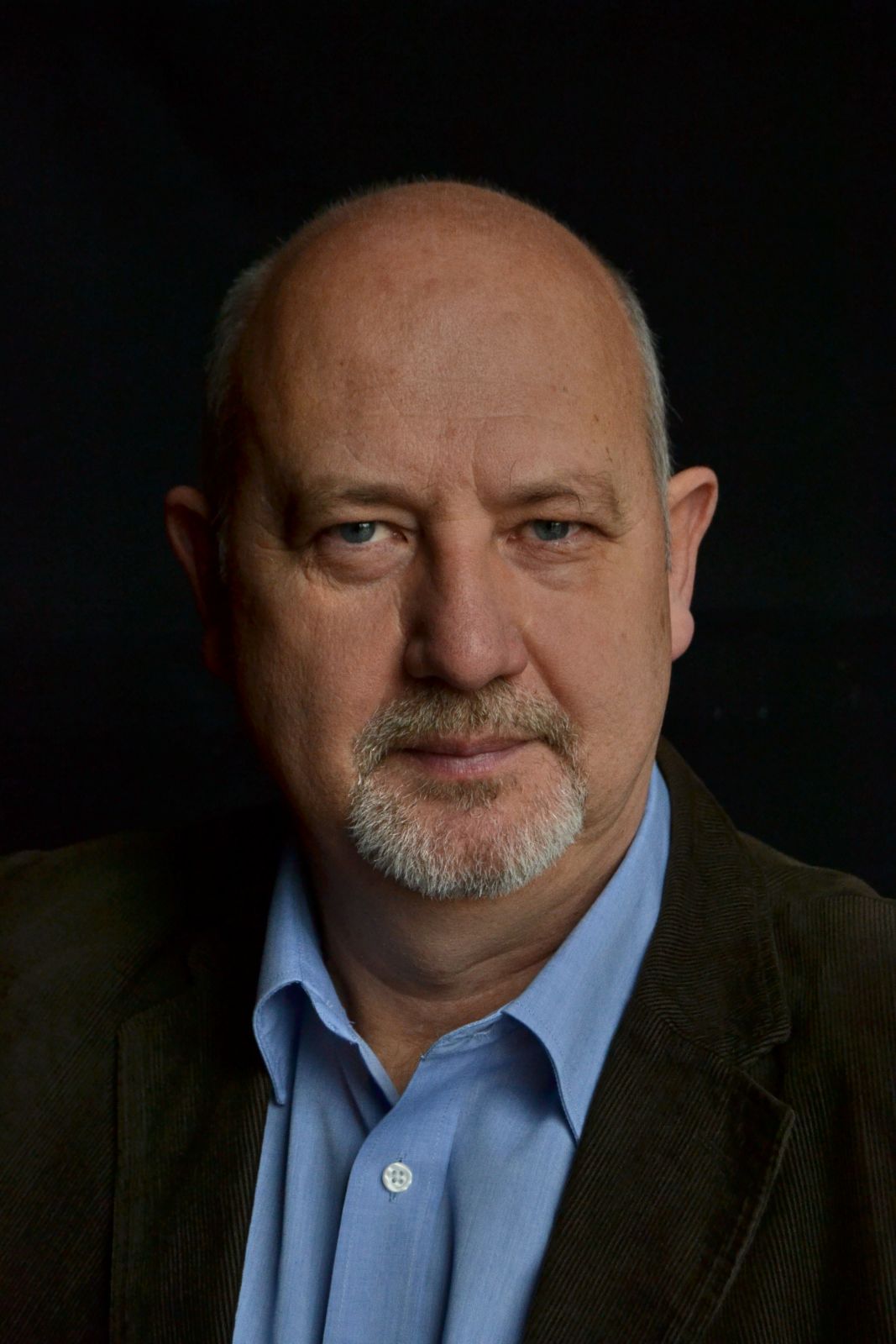
Pál Németh (conductor)



Ticket order:
On the occasion of the 10th anniversary of the Liszt Institute – Hungarian Cultural Centre Ljubljana, 2016–2026
Antonio Caldara: Santo Stefano, Primo Re dell' Ungheria
(Oratorio: Saint Stephen, the First King of Hungary)
This oratorio focuses on a moment of crucial importance in Hungarian history: the embrace of the Christian faith after paganism, Hungary’s accession to the community of Western Christian nations, and the attainment of papal benevolence. All these historical processes are reflected in the inner struggles and hesitations of Saint Stephen. The beautifully moralising and poetically refined libretto is set to music with great craftsmanship, invention, and a rich variety of melodies and musical characters by the Italian composer Antonio Caldara (1671–1736), who was already highly esteemed in his own time. Caldara worked mainly in Rome and Vienna. Caldara was in Vienna in 1712, when he was commissioned by Charles III, King of Hungary (later Holy Roman Emperor Charles VI), to compose a musical work. At that time, the king was seeking Pope Clement XI’s legitimation of his imperial title. The première of the oratorio took place in 1713 in Rome, at the palace of Cardinal Ruspoli, one of the most illustrious salons of the period. Such a positive portrayal of the Hungarians is rarely encountered outside the Hungarian cultural sphere. The greatest historical significance of the oratorio lies in the fact that a fundamentally important period of Hungarian history is presented as an exemplary model through the figure of the great king.
The work does not require a large ensemble: it is scored for four vocal soloists (King Saint Stephen, Queen Gisella, Anastasio, the High Priest, and Erasto, a subject) and a chamber string orchestra. In accordance with the performance practice of the period, the oratorio may be presented in costume, while the audience’s understanding is enhanced by the projection of the libretto and related images. A CD recording of the oratorio was released by Hungaroton Records Ltd. in 2011. A filmed version was also produced by Duna Television.
Celje, Narodni dom

The neo-renaissance building of the Narodni dom (literally the Nation's Home) lines a part of the Trg celjskih knezov (The Counts of Celje Square). It was built in 1895-1896 according to the plans of the Czech architect Vladimir Hrasky. During the time of the old Austria, the Celje National House was the cultural and social center of the citizens of Celje, and today it houses the premises of the Municipality of Celje and the Administrative Unit of Celje.